

CSRD și raportarea ESG în lanțul de aprovizionare: ce vor cere marii producători europeni furnizorilor lor
Cerințe emergente 2025-2027 pe care marii OEM-uri le vor impune furnizorilor — și cum se pregătește un furnizor român de componente metalice.
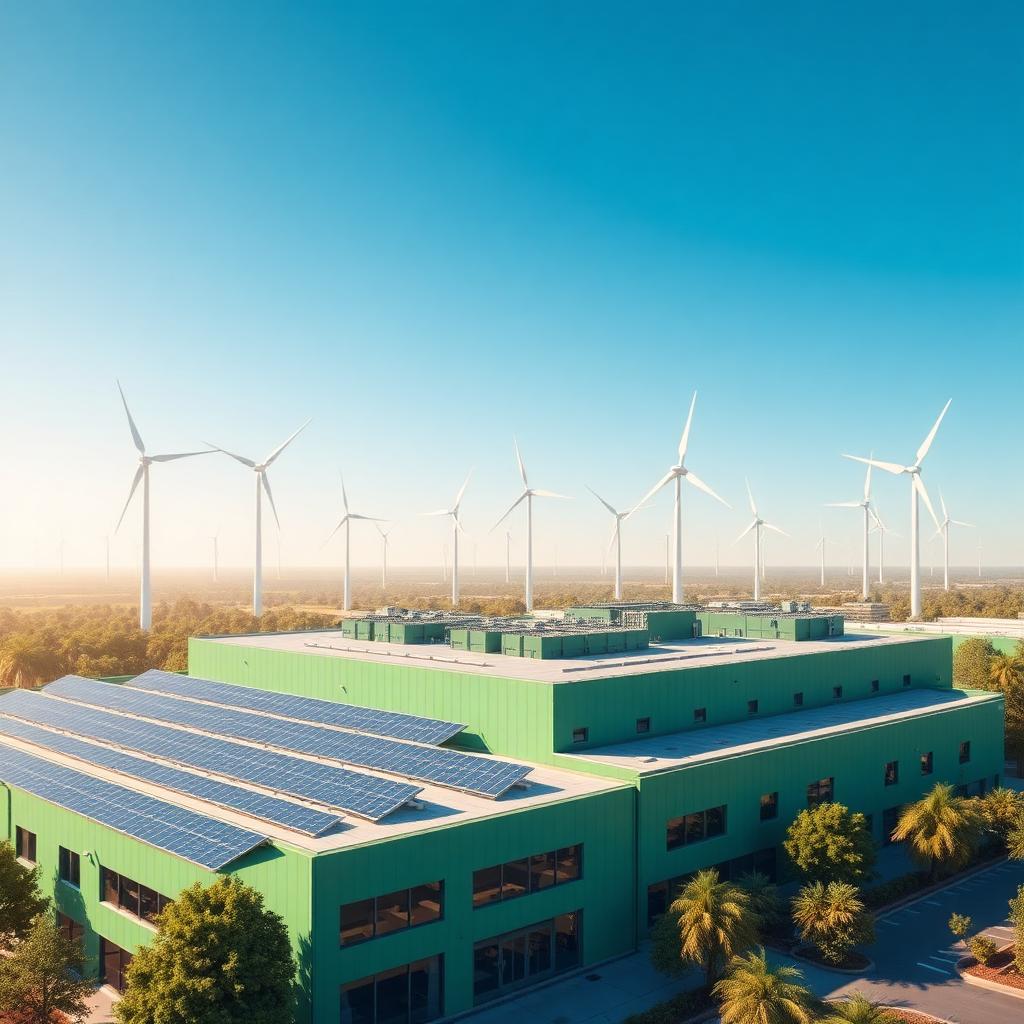
Directiva CSRD (Corporate Sustainability Reporting Directive) intră în vigoare etapizat între 2024 și 2028. Pentru un OEM mare din auto, aerospace sau energie, raportarea acoperă nu doar emisiile proprii, ci și Scope 3 — emisiile întregului lanț de aprovizionare. Asta înseamnă că furnizorii de componente metalice vor trebui să furnizeze date verificabile despre amprenta de carbon a fiecărui lot livrat.
Ce date va cere un OEM mare de la furnizorii săi
- Amprentă CO₂ per kg de piesă livrată (Scope 1 + 2 + 3 upstream)
- % din energie consumată din surse regenerabile
- Politică privind diversitatea forței de muncă și siguranța la locul de muncă
- Trasabilitatea materiei prime — origine, certificate, conflict minerals
- Plan de reducere a emisiilor pe orizont 2030
De ce furnizorii mici trebuie să se miște acum
Marii OEM-uri vor exclude din liste furnizorii care nu pot raporta. În 2027, lipsa unui raport ESG simplificat va fi echivalentul lipsei certificării ISO 9001 azi — un veto automat. Pentru o fabrică de inginerie industrială în România, pregătirea durează 12-18 luni.
Cum se pregătește Mepro Sisteme
- Audit GHG (gaze cu efect de seră) anual conform ISO 14064
- 30% din consumul electric din panouri fotovoltaice proprii (țintă 60% în 2028)
- Sistem MES care calculează automat CO₂ per comandă livrată
- Politică verificată extern de aprovizionare etică a metalelor
Costul (real) al neacționării
Un furnizor care în 2026 nu poate raporta amprenta CO₂ per piesă va pierde 35-50% din contractele cu OEM-uri mari până în 2028. Compensația de venituri nu vine din clienți mai mici — vine din ieșirea din piață. Investiția într-un sistem ESG funcțional costă 25.000-80.000 EUR; ieșirea din piață costă tot business-ul.
“ESG nu mai este despre imagine. Este criteriu de calificare la fel de strict ca toleranța dimensională.”
Ai un proiect similar?
Trimite-ne fișierele și primești o cotație de inginer în 24 de ore.
Începe un proiectArticole similare
Toate articoleleNearshoring spre România: de ce producătorii din Vestul Europei mută comenzile de prelucrări CNC mai aproape de casă
Cost, timp de livrare și comunicare directă — argumentele concrete pentru care fabricile germane, italiene și franceze aleg furnizori CNC din România.
Citește Ghid achizițiiCum alegi un furnizor de prelucrări CNC și laser în România — checklist pentru ingineri și achiziții
Certificările esențiale, întrebările despre toleranțe, capacitate și trasabilitate pe care trebuie să le pui înainte de a semna contractul.
Citește IndustrieLipsa forței de muncă calificate în industria de prelucrări metalice din România — și cum se adaptează fabricile
Învățământ dual, automatizare cu roboți colaborativi și politici reale de retenție: cum răspund producătorii români la criza de personal.
Citește