

Lipsa forței de muncă calificate în industria de prelucrări metalice din România — și cum se adaptează fabricile
Învățământ dual, automatizare cu roboți colaborativi și politici reale de retenție: cum răspund producătorii români la criza de personal.
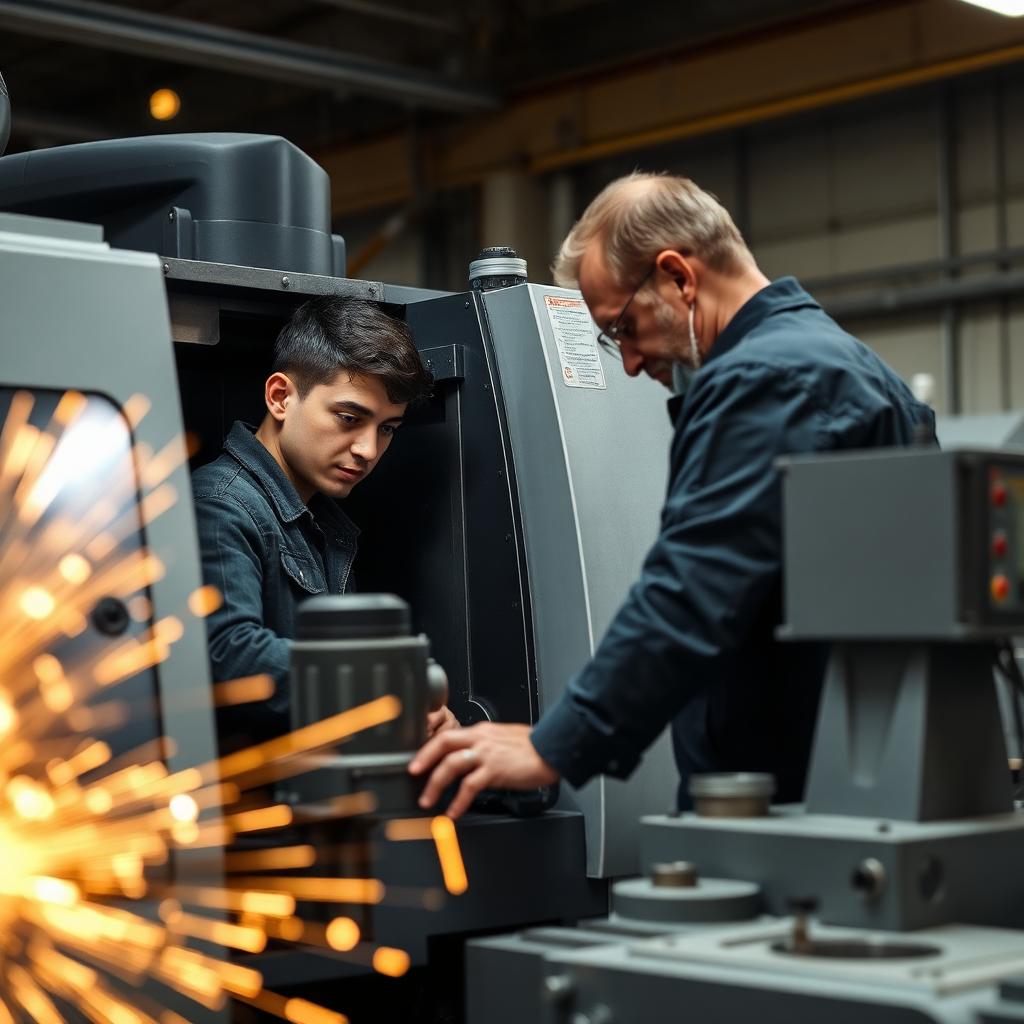
Industria de prelucrări metalice din România se confruntă cu un deficit de aproximativ 35.000 de operatori CNC, sudori calificați și ingineri de proces. Pentru o companie ca Mepro Sisteme, care operează prelucrări CNC de înaltă precizie în Brașov, soluția nu este nici importul masiv de personal, nici plângerile la patronate — ci o combinație de învățământ dual, automatizare inteligentă și o cultură internă care reține oamenii buni.
Învățământul dual: investiție pe 4 ani
Parteneriatele cu liceele tehnice din Brașov și Sfântu Gheorghe ne aduc anual 8-12 elevi care fac 3 zile/săptămână practică în fabrică. La final, 70% rămân angajați. Comparativ cu recrutarea clasică, costul per angajat retenut scade cu 55%, iar timpul de productivitate completă scade de la 14 luni la 6 luni.
Cobots și automatizare: amplificator, nu înlocuitor
Am introdus 4 roboți colaborativi Universal Robots pentru alimentare CNC pe ture de noapte. Rezultatul: aceiași operatori supraveghează 2-3 mașini simultan, salariile au crescut cu 18% (operatorul devine tehnician multi-mașină), iar producția pe ture neacoperite a crescut cu 40%. Cobotul nu a luat locul nimănui — a transformat un job obositor într-unul calificat.
Retenția: ce funcționează real
- Bonus de fidelitate plătit anual la 3, 5 și 10 ani
- Plan individual de carieră cu certificări plătite de companie
- Program flexibil pentru părinți: 4 ture × 10 ore în loc de 5 × 8
- Bucătărie internă cu masă caldă subvenționată 90%
- Transport gratuit pe rute fixe Brașov — Prejmer — Sfântu Gheorghe
Aceste măsuri nu sunt „beneficii fancy” — sunt răspunsul matematic la rotația de personal. Costul unei plecări pentru un operator CNC calificat depășește 18.000 EUR (recrutare + 14 luni rampă). Un bonus de 2.000 EUR la 3 ani vechime este economie pură.
Ce se va întâmpla în următorii 5 ani
Fabricile care nu investesc acum în învățământ dual și automatizare vor pierde comenzi în 2028-2030, indiferent de prețuri. Marii OEM-uri europeni cer deja audit de „resilience workforce” înainte de a aproba un furnizor pentru programe pe termen lung. România are toate ingredientele pentru a deveni hub-ul de uzinare mecanică al Europei — dar doar pentru cei care joacă jocul lung.
“Nu poți comanda online un operator de 5 axe. Trebuie să-l construiești 4 ani și să-l păstrezi 20.”
Ai un proiect similar?
Trimite-ne fișierele și primești o cotație de inginer în 24 de ore.
Începe un proiectArticole similare
Toate articoleleNearshoring spre România: de ce producătorii din Vestul Europei mută comenzile de prelucrări CNC mai aproape de casă
Cost, timp de livrare și comunicare directă — argumentele concrete pentru care fabricile germane, italiene și franceze aleg furnizori CNC din România.
Citește Ghid achizițiiCum alegi un furnizor de prelucrări CNC și laser în România — checklist pentru ingineri și achiziții
Certificările esențiale, întrebările despre toleranțe, capacitate și trasabilitate pe care trebuie să le pui înainte de a semna contractul.
Citește FinanțăriFonduri europene și PNRR pentru retehnologizarea producției în România: ce poate accesa o fabrică de componente metalice
Ghid pentru antreprenori și directori industriali: programe active, sume, eligibilitate și cofinanțare pentru CNC, laser, robotică și digitalizare.
Citește