

China+1 și reshoring: cum își redesenează producătorii europeni lanțurile de aprovizionare
Tarife, riscuri geopolitice și costuri de transport — de ce strategia „China+1” devine standard, și unde se poziționează România în această ecuație.
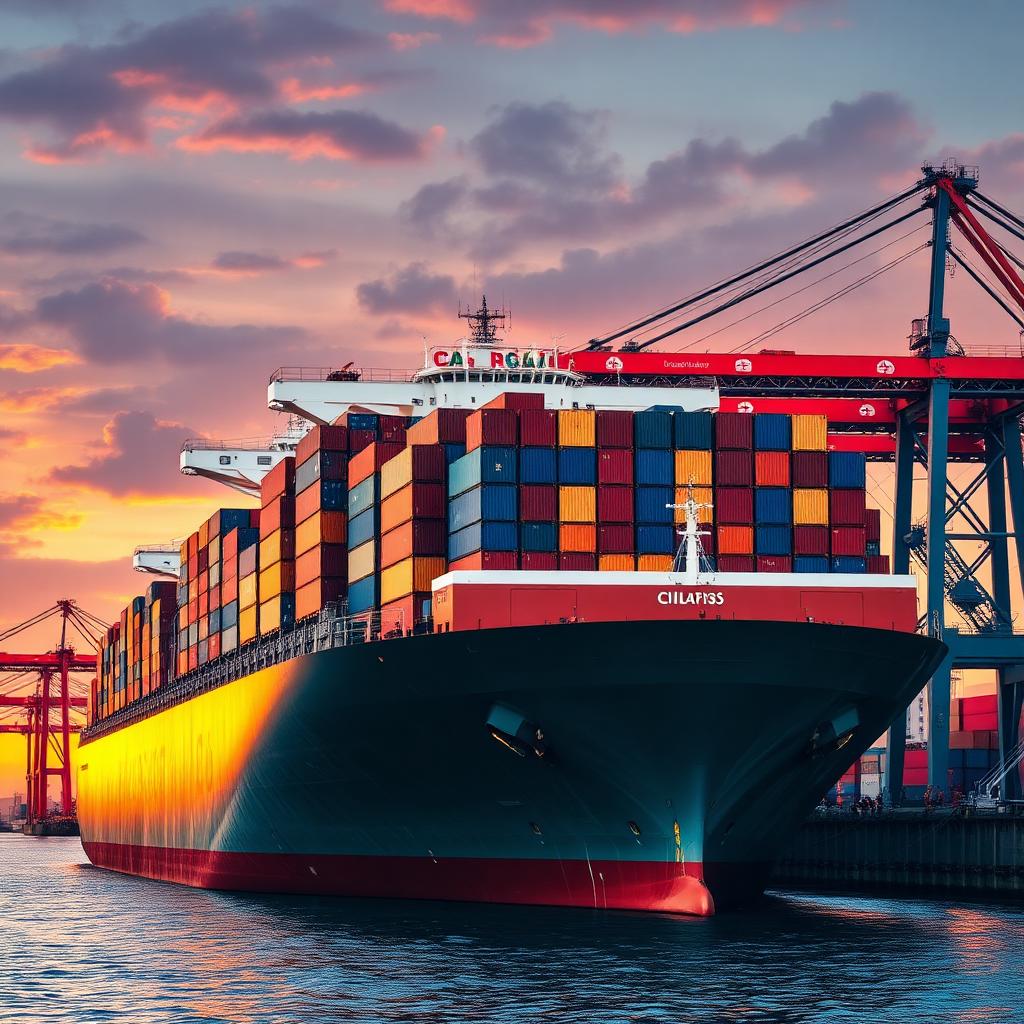
Strategia „China+1” — păstrarea unei părți din producție în China, plus dezvoltarea unui al doilea furnizor în altă regiune — a devenit politică oficială la peste 60% dintre marii OEM-uri europeni intervievați de McKinsey în 2025. Pentru o companie de prelucrări CNC de înaltă precizie din Brașov ca Mepro Sisteme, această tendință a generat creștere de 34% a cererilor din Vestul Europei în ultimele 18 luni.
Ce a declanșat valul de reshoring
- Tarife UE anti-dumping pe oțel, aluminiu și componente chineze
- Războiul comercial SUA-China și efectele de undă asupra UE
- Volatilitatea costurilor de transport (Suez, Marea Roșie, Panama)
- Cerințe noi CSRD de transparență în lanțul de aprovizionare
- Risc reputațional asociat cu producția în zone geopolitic sensibile
De ce România, nu Polonia sau Cehia
Polonia și Cehia rămân destinații populare, dar saturația de capacitate și creșterea costurilor salariale (Polonia +28% în 3 ani, Cehia +24%) au împins o parte din comenzi mai la est. România oferă încă un raport calitate-preț cu 15-22% mai bun decât Polonia pentru piese CNC de complexitate medie, păstrând standarde ISO europene identice.
Modelul typic de tranziție în 18 luni
Faza 1 (luni 1-3): audit DFM și piese pilot. Faza 2 (luni 4-9): producție paralelă RO + Asia, comparare KPI. Faza 3 (luni 10-18): mutare graduală a volumului, păstrare 20-30% în Asia ca backup. La final, lead time mediu scade de la 38 la 11 zile, iar costul total scade cu 6-14% pe loturi sub 5.000 buc/an.
“Reshoring-ul nu este patriotism — este managementul riscului transformat în avantaj competitiv.”
Cum poate ajuta un furnizor român serios
La Mepro Sisteme oferim pachete de tranziție „China+1” care includ DFM rapid, PPAP nivel 3, capacitate rezervată contractual și un manager de proiect dedicat per cont. Pentru OEM-urile care evaluează relocarea, livrăm un raport de fezabilitate cu calcul TCO complet în 10 zile lucrătoare.
Ai un proiect similar?
Trimite-ne fișierele și primești o cotație de inginer în 24 de ore.
Începe un proiectArticole similare
Toate articoleleNearshoring spre România: de ce producătorii din Vestul Europei mută comenzile de prelucrări CNC mai aproape de casă
Cost, timp de livrare și comunicare directă — argumentele concrete pentru care fabricile germane, italiene și franceze aleg furnizori CNC din România.
Citește Ghid achizițiiCum alegi un furnizor de prelucrări CNC și laser în România — checklist pentru ingineri și achiziții
Certificările esențiale, întrebările despre toleranțe, capacitate și trasabilitate pe care trebuie să le pui înainte de a semna contractul.
Citește IndustrieLipsa forței de muncă calificate în industria de prelucrări metalice din România — și cum se adaptează fabricile
Învățământ dual, automatizare cu roboți colaborativi și politici reale de retenție: cum răspund producătorii români la criza de personal.
Citește