

CE marking, REACH și conformitate tehnică: ce trebuie să verifice un OEM la un furnizor extern de piese metalice
Ghid tehnico-juridic pentru companii care importă componente — diferențiatorul puternic față de furnizorii care nu abordează aceste subiecte.
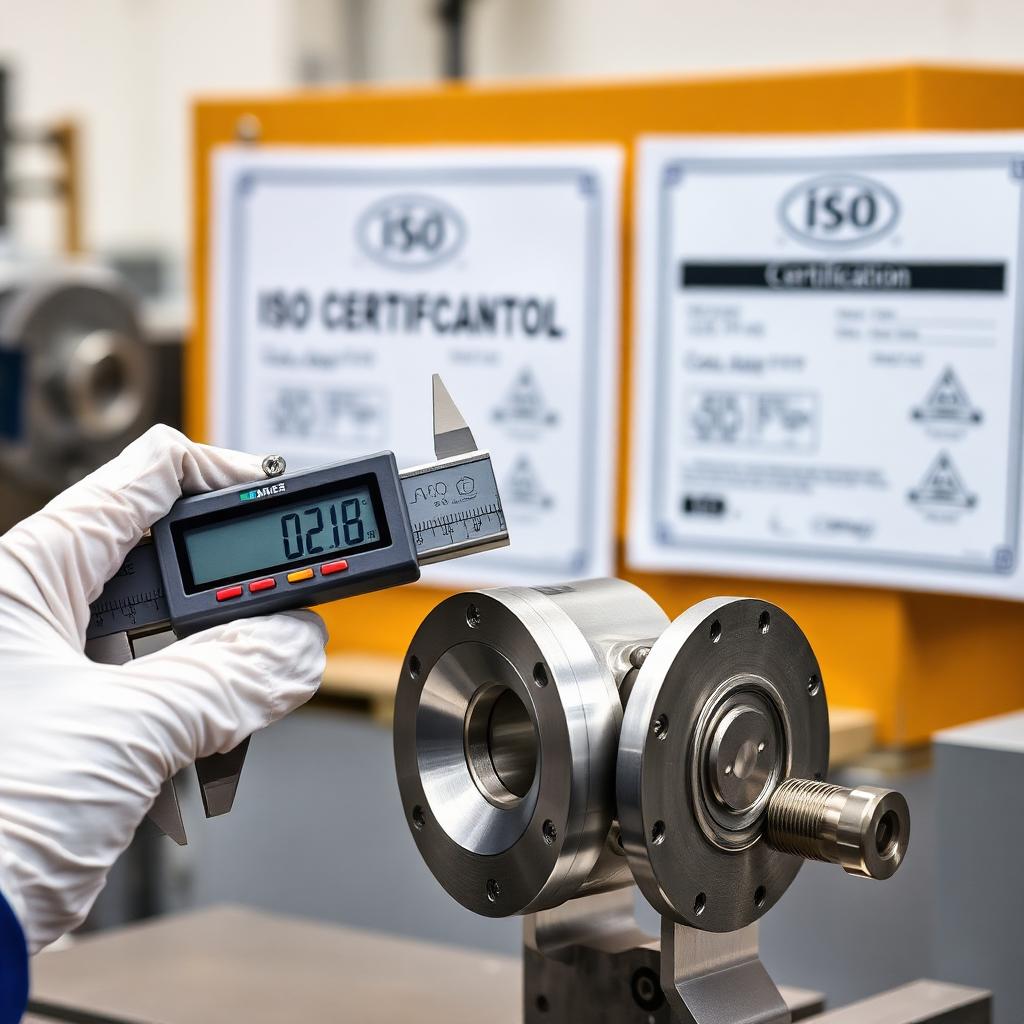
Un OEM european care încorporează piese metalice într-un produs finit (utilaj, dispozitiv medical, mașină) poartă răspunderea totală pentru conformitatea acelor piese cu directivele UE — chiar dacă piesele vin de la un furnizor extern. Acest articol explică ce trebuie verificat înainte de a accepta un nou furnizor de prelucrări CNC sau debitare laser tablă, fie el din România sau din afara UE.
CE marking: ce înseamnă pentru o piesă componentă
O piesă componentă (semifabricată sau cu funcție tehnică, dar care nu este produs finit autonom) nu primește marcaj CE separat. Răspunderea se transferă către OEM-ul care integrează piesa. Totuși, furnizorul trebuie să livreze documentație suficientă pentru ca OEM-ul să poată întocmi declarația CE proprie: certificate de material 3.1, rapoarte de testare, declarații REACH, RoHS, conflict minerals.
REACH: substanțele care declanșează probleme
- Plumb în aliaje de prelucrare ușoară (limită 0,1% în articole)
- Cadmiu în acoperiri (interzis în majoritatea aplicațiilor)
- Crom hexavalent în pasivări (înlocuit obligatoriu cu Cr3+ trivalent)
- Compuși PFAS în lichide de răcire și lubrifianți
Un furnizor serios are matrice REACH actualizată trimestrial și raportează automat orice substanță SVHC peste 0,1% w/w. Mepro Sisteme menține un sistem digital de trasabilitate care permite generarea raportului REACH pentru orice lot livrat în ultimele 36 de luni, în mai puțin de 24 de ore.
RoHS și directiva ELV
Pentru piese destinate echipamentelor electrice și electronice (RoHS) sau autovehiculelor (ELV), restricțiile sunt și mai stricte. Cere furnizorului declarații semnate pe lot, nu certificate generale „de companie”. Diferența contează la audit.
Documentația obligatorie pe lot
- Certificat material 3.1 conform EN 10204
- Raport dimensional (FAI sau full inspection per AQL)
- Declarație REACH/RoHS/ELV semnată
- Declarație conflict minerals (3TG)
- Eventual: certificat sudură EN ISO 3834, raport NDT, certificat de pasivare
“Conformitatea nu este un cost — este o asigurare. Plătești ieftin la fiecare livrare, dar te salvează de un singur litigiu care îți închide fabrica.”
De ce un furnizor român scoruește bine aici
Furnizorii din România lucrează nativ sub legislație UE — toate substanțele interzise sunt deja eliminate, certificatele sunt în format european standard, iar auditurile de conformitate sunt parte din rutina ISO 9001. Pentru OEM-urile europene, acest „aliniat din naștere” elimină zeci de ore de verificare per furnizor nou.
Ai un proiect similar?
Trimite-ne fișierele și primești o cotație de inginer în 24 de ore.
Începe un proiectArticole similare
Toate articoleleNearshoring spre România: de ce producătorii din Vestul Europei mută comenzile de prelucrări CNC mai aproape de casă
Cost, timp de livrare și comunicare directă — argumentele concrete pentru care fabricile germane, italiene și franceze aleg furnizori CNC din România.
Citește Ghid achizițiiCum alegi un furnizor de prelucrări CNC și laser în România — checklist pentru ingineri și achiziții
Certificările esențiale, întrebările despre toleranțe, capacitate și trasabilitate pe care trebuie să le pui înainte de a semna contractul.
Citește IndustrieLipsa forței de muncă calificate în industria de prelucrări metalice din România — și cum se adaptează fabricile
Învățământ dual, automatizare cu roboți colaborativi și politici reale de retenție: cum răspund producătorii români la criza de personal.
Citește