

5 axe vs. 3+2: când axele suplimentare chiar își merită investiția
O analiză practică pentru șefii de inginerie care evaluează investiția într-un centru 5 axe complet.
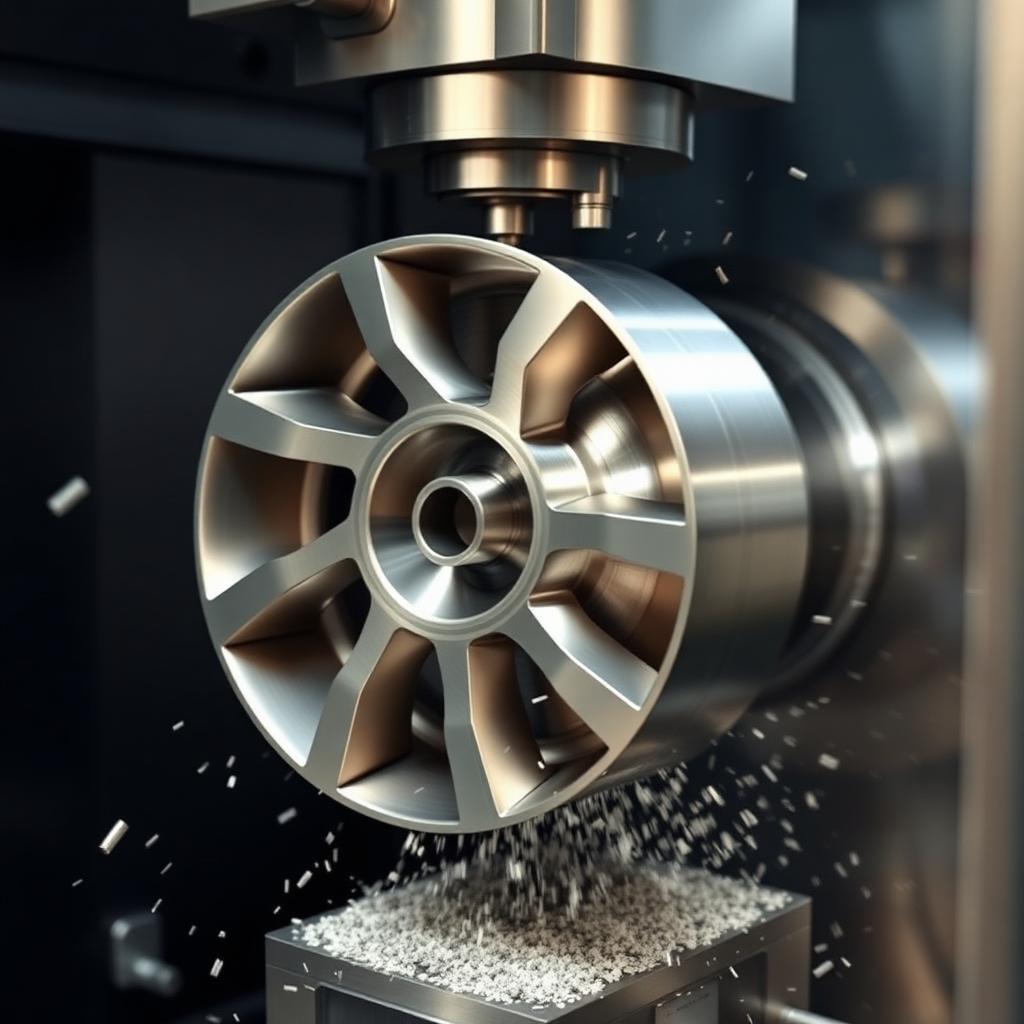
Întrebarea revine constant în discuțiile cu clienții noștri: merită un centru 5 axe simultan, sau e suficient 3+2? Răspunsul depinde de geometria piesei, volumul anual și nivelul de toleranță pe care trebuie să-l atingi. În cadrul serviciilor de prelucrări CNC de înaltă precizie în Brașov, folosim ambele strategii — alegerea corectă scurtează ciclul cu 30-60%.
Când 3+2 este alegerea inteligentă
Pentru piese prismatice cu suprafețe accesibile din cinci direcții discrete, indexarea 3+2 oferă rigiditate maximă și costuri de programare reduse. Majoritatea pieselor de uzinare mecanică din producția de serie cad în această categorie.
Când 5 axe simultan devine obligatoriu
- Suprafețe complexe de tip impeller, turbină sau lamă
- Toleranțe geometrice strânse pe contururi continue
- Reducerea drastică a fixturilor specializate
- Acces în underrcut-uri sau cavități cu unghiuri variabile
Pe Mazak Variaxis i-700 din dotare obținem finețe de suprafață Ra 0,4 fără operații secundare. Pentru clienții din inginerie industrială România care livrează componente medicale sau aerospațiale, această capabilitate elimină complet etapa de lustruire manuală.
ROI tipic într-un mediu mixt
Pe baza datelor noastre interne, un centru 5 axe simultan se amortizează în 18-24 luni dacă cel puțin 35% din încărcare provine din geometrii complexe. Sub acest prag, o combinație 3+2 + un centru vertical rapid oferă un randament financiar mai bun.
“Nu cumperi axe — cumperi acces la geometrie și eliminare de setup.”
Dacă vrei o analiză punctuală pentru reperul tău, trimite-ne fișierul STEP prin portalul de proiect. Returnăm un raport DFM cu recomandare de strategie în 48 de ore.
Ai un proiect similar?
Trimite-ne fișierele și primești o cotație de inginer în 24 de ore.
Începe un proiectArticole similare
Toate articoleleNearshoring spre România: de ce producătorii din Vestul Europei mută comenzile de prelucrări CNC mai aproape de casă
Cost, timp de livrare și comunicare directă — argumentele concrete pentru care fabricile germane, italiene și franceze aleg furnizori CNC din România.
Citește Ghid achizițiiCum alegi un furnizor de prelucrări CNC și laser în România — checklist pentru ingineri și achiziții
Certificările esențiale, întrebările despre toleranțe, capacitate și trasabilitate pe care trebuie să le pui înainte de a semna contractul.
Citește IndustrieLipsa forței de muncă calificate în industria de prelucrări metalice din România — și cum se adaptează fabricile
Învățământ dual, automatizare cu roboți colaborativi și politici reale de retenție: cum răspund producătorii români la criza de personal.
Citește